
Common Problems With Exterior Stucco: A Homeowner’s Guide
Stucco has been used for centuries as a durable and visually appealing exterior finish. While it offers excellent longevity and weather resistance, stucco can still develop problems over time—especially when exposed to moisture, improper installation methods, or natural aging. Understanding the most common issues can help homeowners identify early warning signs and prevent further damage. This guide draws on research from building preservation organizations, architectural studies, and historical building conservation resources.
1. Cracks in the Stucco Exterior
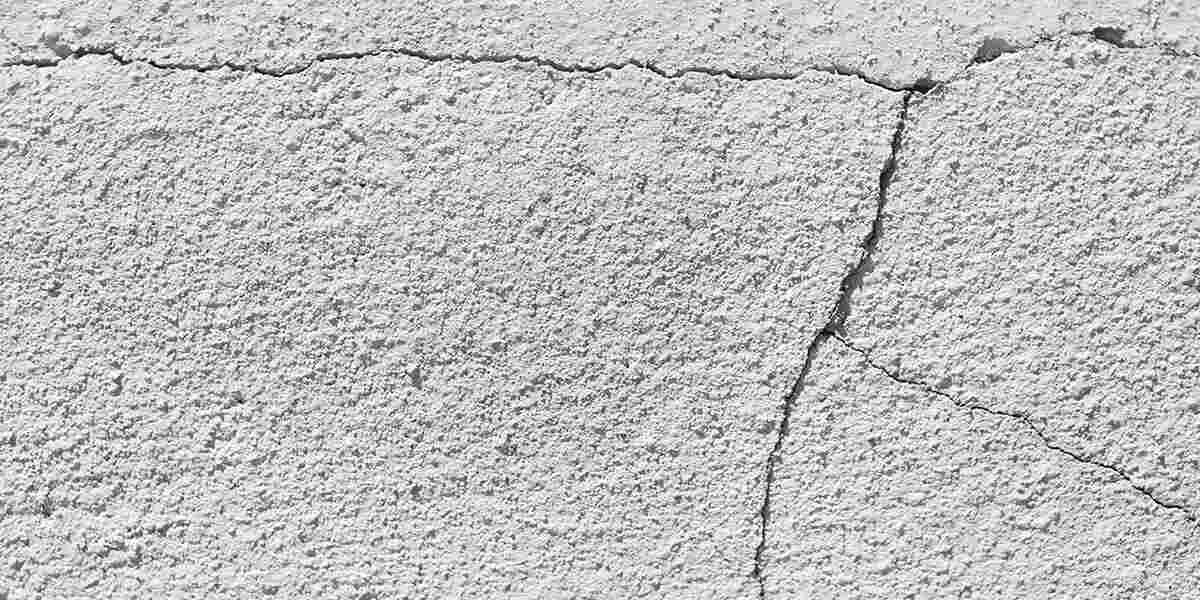
Cracks are the most frequently reported stucco problem. They may appear as hairline fractures, spiderweb patterns, or larger structural splits. Causes range from foundation settling and temperature fluctuations to improper curing or insufficient control joints. While hairline cracks are generally cosmetic, wider cracks can allow moisture to penetrate, creating deeper structural concerns. Studies in façade engineering note that cracks often form stress pathways that accelerate moisture intrusion (Journal of Architectural Engineering, 2019).
2. Bulging or Delaminating Stucco
When stucco begins to bulge outward or detach from the underlying surface, it signals that the bond between layers has been compromised. This is frequently caused by moisture trapped behind the stucco, poor lath installation, freeze–thaw cycles, or degraded structural materials. The Wisconsin Historical Society highlights that moisture-related delamination is especially common in older homes where wooden lath or framing has absorbed water over decades.
3. Stucco Surface Erosion
Surface erosion occurs when wind, rain, sun exposure, and environmental contaminants gradually wear away the outermost stucco layer. Signs include pitting, texture loss, and powdery residue. According to environmental building studies, coastal areas and windy climates exhibit higher erosion rates due to airborne salts and abrasive particles (Environmental Building Sciences Review, 2021).
4. Mold, Mildew, and Surface Debris
Stucco’s porous, textured surface can trap dirt and organic materials. Over time, mold and mildew may develop—particularly in shaded, damp, or poorly ventilated areas. Mold presence can indicate deeper moisture problems behind the stucco. Preservation experts warn that if left untreated, mold can stain the surface, degrade the finish, and compromise air quality around the home.
5. Stucco That Will Not Hold Paint
If paint blisters, peels, or refuses to adhere to the stucco surface, moisture is almost always the underlying issue. When water becomes trapped beneath the paint layer, it creates outward pressure that causes coatings to fail. Architectural coating research demonstrates that painting stucco before it is fully cured or dry can significantly reduce adhesion, shortening the lifespan of exterior coatings (Building Materials Research Journal, 2020).
Common Stucco Problems Compared
| Problem | Likely Causes | Indicators |
|---|---|---|
| Cracks | Structural movement, thermal expansion, improper curing | Hairline fractures, long vertical or diagonal splits |
| Bulging / Delamination | Moisture intrusion, failing lath, freeze–thaw damage | Raised or hollow-sounding areas, falling sections |
| Surface Erosion | Weather exposure, abrasion, aging | Pitting, sandy texture, worn finish |
| Mold & Mildew | Trapped moisture, poor drainage, shaded areas | Dark patches, green or black staining |
| Poor Paint Adhesion | Moisture beneath paint, improper prep, immature stucco | Peeling, blistering, bubbling paint |
When to worry
Although stucco remains a reliable and attractive exterior finish, it is not immune to deterioration. By learning to recognize common problems early such as cracks, bulging, erosion, mold, and paint failure, homeowners can take proactive measures to preserve their property. Professional inspections, moisture management, and proper repair techniques are essential for maintaining stucco performance over time.